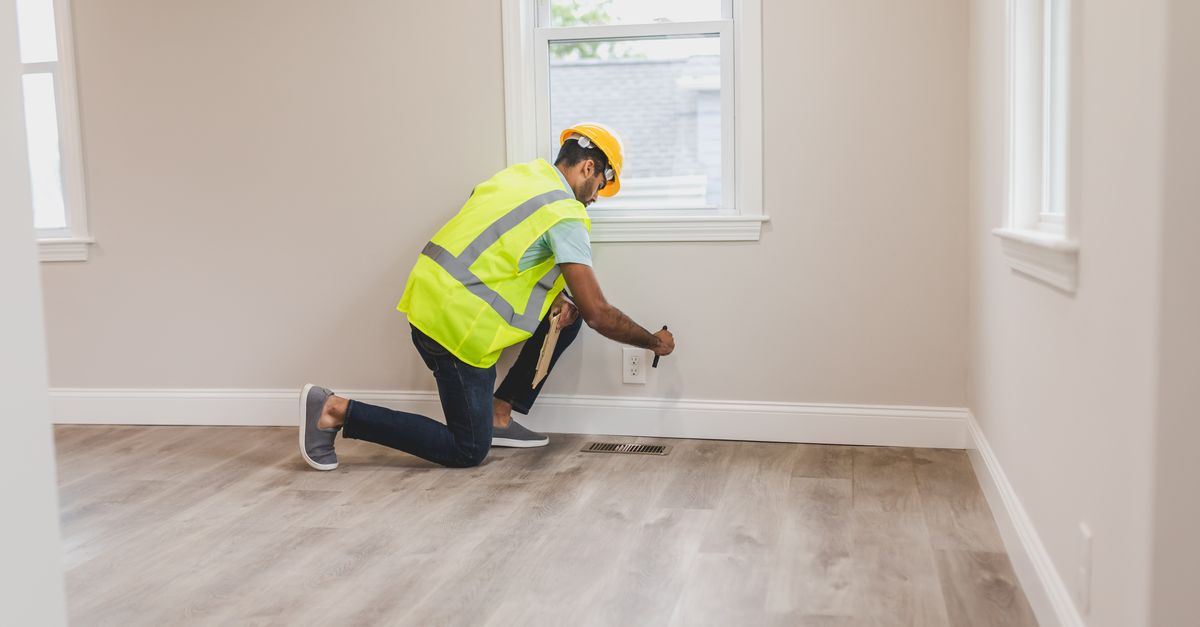
Why photo-based damage detection matters for UK lettings
A deposit dispute at the Deposit Protection Service (DPS) or mydeposits is decided on evidence, and that evidence is overwhelmingly photographic. Under the Housing Act 2004 and the tenancy deposit schemes requirements, an adjudicator compares the check-in and check-out condition of the property. If the check-out report is late, inconsistent or missing photos of a specific wall or appliance, the landlord typically loses the claim. AI photo damage detection addresses that failure point directly: it reviews every image in an inventory within seconds, flags suspected damage, wear and cleanliness issues, and produces a structured report that a human inspector then verifies and signs off. Many UK teams now handle this with dedicated property inventory software.
The practical gain is speed without a drop in evidential quality. A full check-out on a two-bed flat that takes an inspector 60 to 90 minutes on site can be documented, cross-referenced against the check-in set, and drafted into a report the same day. For letting agents managing hundreds of tenancy ends each quarter, that difference determines whether Section 21 possession timelines and re-letting schedules hold or slip.
How AI vision models detect damage
Modern property inspection tools use computer vision models trained on large sets of labelled interior and exterior photographs. The process runs in several stages.
1. Image classification and scene understanding
First, the model identifies what it is looking at: a kitchen worktop, a bathroom sealant line, a bedroom carpet, an external wall. Scene classification matters because the same visual pattern means different things in different contexts. A dark mark on a carpet might be a stain; the same mark on a concrete floor is likely shadow. Getting the room and surface type right underpins everything that follows.
2. Damage and defect detection
Next, object detection and segmentation models locate anomalies on each surface. Typical detections include:
- Holes in walls from picture hooks or TV brackets, with approximate size estimates
- Scuffs, dents and scratches on doors, skirting boards and door frames
- Cracks in walls and ceilings, distinguished from shadow lines where possible
- Mould and damp patches, including patterns consistent with condensation behind furniture
- Burns, stains and tears on carpets and upholstery
- Broken or missing fixtures: curtain poles, blind slats, cupboard handles, shower heads
- Limescale, mould on bathroom sealant, and grease build-up on kitchen surfaces
Each detection is returned with a bounding box or segmentation mask, a confidence score, and a category label. Anything below the confidence threshold is either discarded or surfaced as a low-priority flag for the inspector to review.
3. Fair wear and tear classification
The hardest part of any UK check-out is separating damage from fair wear and tear. Adjudicators at the DPS apply guidance that accounts for tenancy length, number of occupants and the original quality and age of the item. AI models can encode this logic: a three-year-old carpet in a property let to a family of four for two years has a different expected condition baseline than a six-month-old carpet in a professional single-let. The model compares what it sees against that baseline and labels findings as damage, fair wear and tear, or cleaning, which is the triage an inspector would otherwise do from memory.
4. Check-in versus check-out comparison
The strongest evidential use of AI is differential analysis. The model matches check-out photos to the corresponding check-in images of the same room and surface, then highlights what has changed. A scuff that appears in both sets is pre-existing and should not be charged to the tenant. A new burn mark on the worktop is a change attributable to the tenancy. This comparison is exactly what adjudicators ask for, and doing it manually across hundreds of photos is where human reports most often fall short.
5. Cleanliness scoring
Cleaning disputes account for a large share of deposit adjudications. Vision models trained on cleanliness standards can rate surfaces against a defined scale, flag ovens, hobs, extractor hoods and bathroom sanitaryware that fall below the check-in standard, and attach the supporting images to each finding. Because the same model rates every property, scoring is consistent across an agency's portfolio, which reduces the inconsistency that tenants successfully challenge.
What this changes in practice for landlords and agents
An AI rental inspection workflow typically looks like this: the inspector photographs the property as normal, uploads the set, and the model returns a draft report within minutes. Each flagged item includes the image, the location, the classification and a suggested description. The inspector reviews, edits wording where needed, and publishes. Reports that previously took a full day of desk work are ready before the inspector leaves the next appointment.
Three practical benefits follow. First, coverage improves: the model reviews every photo, including the ones a tired inspector might skim past. Second, consistency improves: the same defect is described the same way every time, which strengthens the report's credibility at adjudication. Third, turnaround improves: tenants and landlords receive the report faster, which shortens the window for disputes and gets maintenance jobs raised sooner. Platforms such as our property inventory platform combine these detections with scheduling, versioned report history and tenant sign-off, so the AI output feeds directly into the deposit evidence pack rather than sitting in a separate document.
Accuracy: what the technology does well and where humans stay essential
AI detection is strong on visible, well-photographed defects: holes, burns, stains, mould, broken fixtures and heavy soiling. It is weaker on subtle issues and on anything requiring judgement about cause. A hairline crack might be settlement or impact; the model can flag it, but a human decides which. Damp behind a wardrobe may only be visible as a faint discolouration that poor lighting renders undetectable. And fair wear and tear assessments always need a person to confirm the tenancy context and apply the adjudicator's guidance sensibly.
Photo quality is the main variable under the user's control. Blurred images, harsh backlighting and wide shots taken from a doorway all reduce detection accuracy. Inspectors get the best results by photographing each wall and surface individually, in even light, at a distance where defects are legible. Most AI inventory tools surface low-confidence detections for review rather than silently dropping them, so the inspector sees the borderline cases rather than discovering them at dispute stage.
The correct operating model is AI as first pass, human as final authority. The model guarantees nothing is missed and everything is documented consistently; the inspector guarantees the classification is defensible. Reports produced this way hold up at the DPS because every finding traces back to a timestamped, matched pair of photographs with a clear description.
Fitting AI reports into UK compliance requirements
Several UK-specific points shape how these tools should be deployed:
- Tenant deposit schemes: Reports must be fair and evidence-based. An AI-assisted report is admissible in the same way as a manual one, provided the findings are accurate and the landlord can produce the underlying images. Always keep the original photos, not just the report PDF.
- Check-in timing: Under the Renters Reform Bill's abolition of Section 21, grounds-based possession will lean even more heavily on documented condition evidence, so complete and consistent inventories become more important, not less.
- Data protection: Inspection photos occasionally capture tenants' belongings. Under UK GDPR, process images through providers with a data processing agreement in place, and avoid uploading photos containing identifiable personal information where possible.
- Mid-term inspections: The same detection pipeline works for interim inspections, catching mould, damp and unauthorised pets or smoking damage early enough to act on.
Choosing an AI inventory tool: a short checklist
Before committing to a provider, test against these criteria:
- Does it compare check-in and check-out sets automatically, or only flag defects in isolation?
- Can you adjust or reject every AI finding, with an audit trail of who changed what?
- Does it apply fair wear and tear logic based on tenancy length and occupancy, or leave that entirely to you?
- How does it handle low-confidence detections: review queue or silent discard?
- Where are photos stored, who can access them, and what does the UK GDPR processing agreement cover?
- Does the output format match what DPS and mydeposits adjudicators expect to see?
Run a pilot on ten real check-outs and compare the AI-flagged findings against your inspector's manual report. The overlap tells you how much desk time you will genuinely save and where your team needs to adjust their photography habits.
Getting started
Start with check-outs on properties with a history of disputes; that is where the evidential gain is largest. Train inspectors on the photography standard, run every report through the review step for the first month, and track two numbers: report turnaround time and adjudication outcomes. If the second number holds or improves while the first drops, the technology is doing its job.
See it on your own inventory photos
The fastest way to judge AI damage detection is to run it on photos from your own portfolio. Book a demo of our property inventory CRM and we will process a recent check-out set live, show you every flagged defect alongside your inspector's findings, and walk through how the reports slot into your deposit evidence workflow. Bring a challenging property; the ovens and the sealant lines are where you will see the difference.